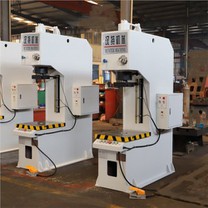
During the operation of the metal extrusion hydraulic press, bolts sometimes fall off and fall into the hydraulic cylinder, causing serious scratches on the plunger wall. After the problem occurs, the traditional method cannot achieve on-site repair at all. It can only be disassembled and shipped to the manufacturer for repair welding or scrap replacement. As there is no replacement of spare parts, the time for re-production of parts or return to the factory for repair is not controllable. Long-term downtime will cause serious economic losses to the enterprise, and at the same time, it will also pay high processing or repair costs. In order to meet the requirements of continuous production of enterprises, it is necessary to find convenient, fast, simple and effective maintenance methods to solve the equipment problems, minimize the downtime of the enterprise and reduce maintenance costs. Can use polymer composite materials for on-site repair
Steps:
1. Bake the scratched parts with an oxygen-acetylene flame (master the temperature and avoid surface annealing), and bake the oil that has permeated the metal surface all the year round until there are no sparks.
2. Surface the scratched part with an angle grinder, and grind it to a depth of 1 mm or more, and grind a groove along the outer wall of the cylinder, preferably a dovetail groove. Drill holes at both ends of the scratch to deepen and change the force.
3. Use absorbent cotton dipped in acetone or absolute ethanol to clean the surface.
4. Apply the harmonized and uniform repair material to the scratched surface; the first layer should be thin, evenly and completely cover the scratched surface to ensure the best adhesion between the material and the metal surface, and then apply the material to the entire repair site and press repeatedly. Make sure that the material is filled and reaches the required thickness so that it is slightly higher than the surface of the outer wall of the cylinder.
5. It takes 24 hours for the material to fully achieve various properties at 24°C. In order to save time, the temperature can be increased by a halogen lamp. Every 11°C increase in temperature will reduce the curing time by half. The best curing temperature is 70°C.
6. After the material is solidified, use a fine grindstone or a scraper to repair and level the material that is higher than the outer wall of the cylinder, and the construction is completed.